The gap between AI leaders and AI followers is growing ever wider. Recent studies by Gartner and the Boston Consulting Group paint a clear picture:
Only 5% of AI projects actually have a positive impact on the bottom line, 87% fail, and just under 10% of companies already have productive AI applications in use.
What needs to be done now: AI must become a top priority. Artificial intelligence is changing everything – radically. It is deeply affecting business processes and fundamentally changing how we are organized and how we manage our companies.
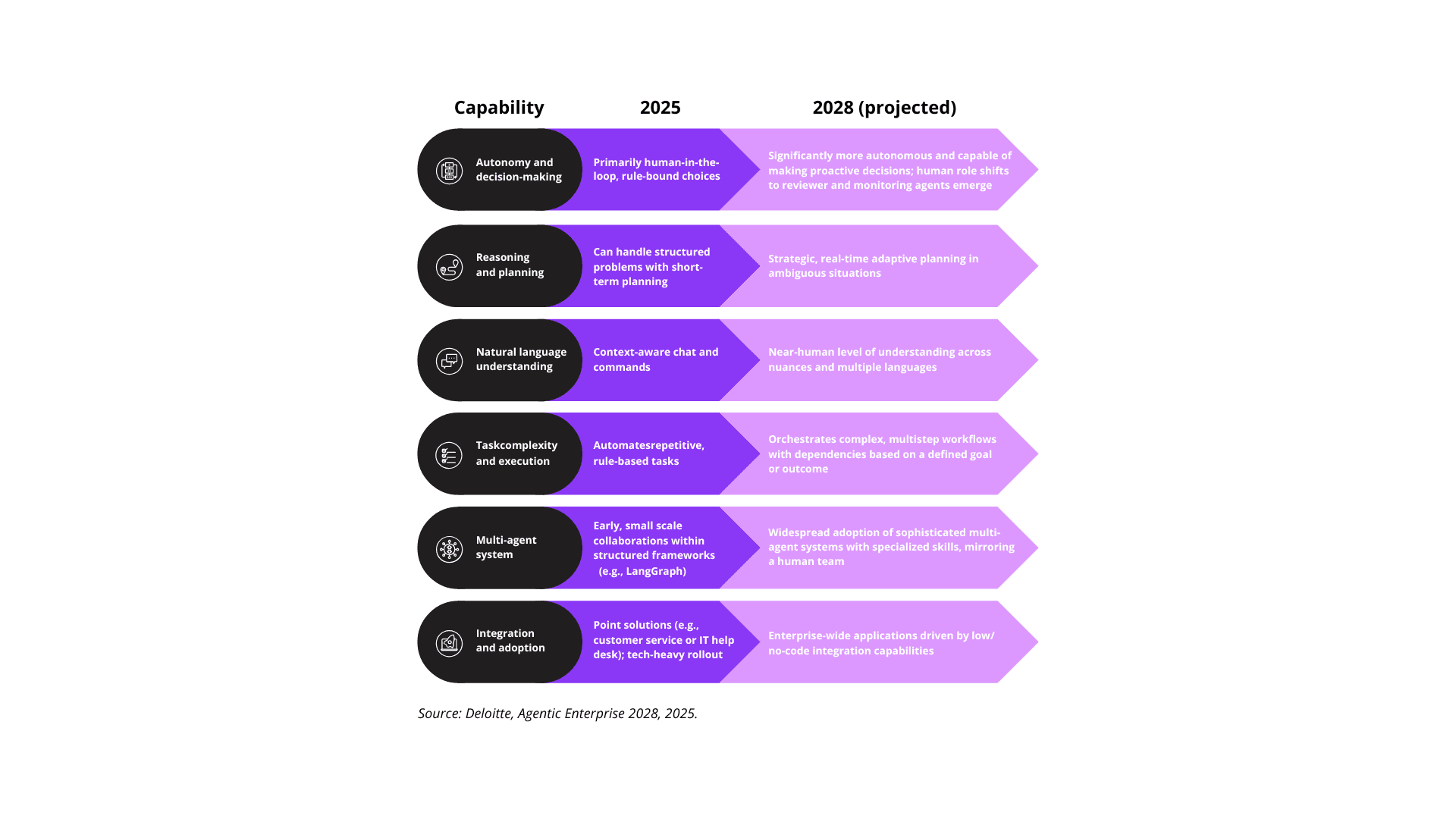
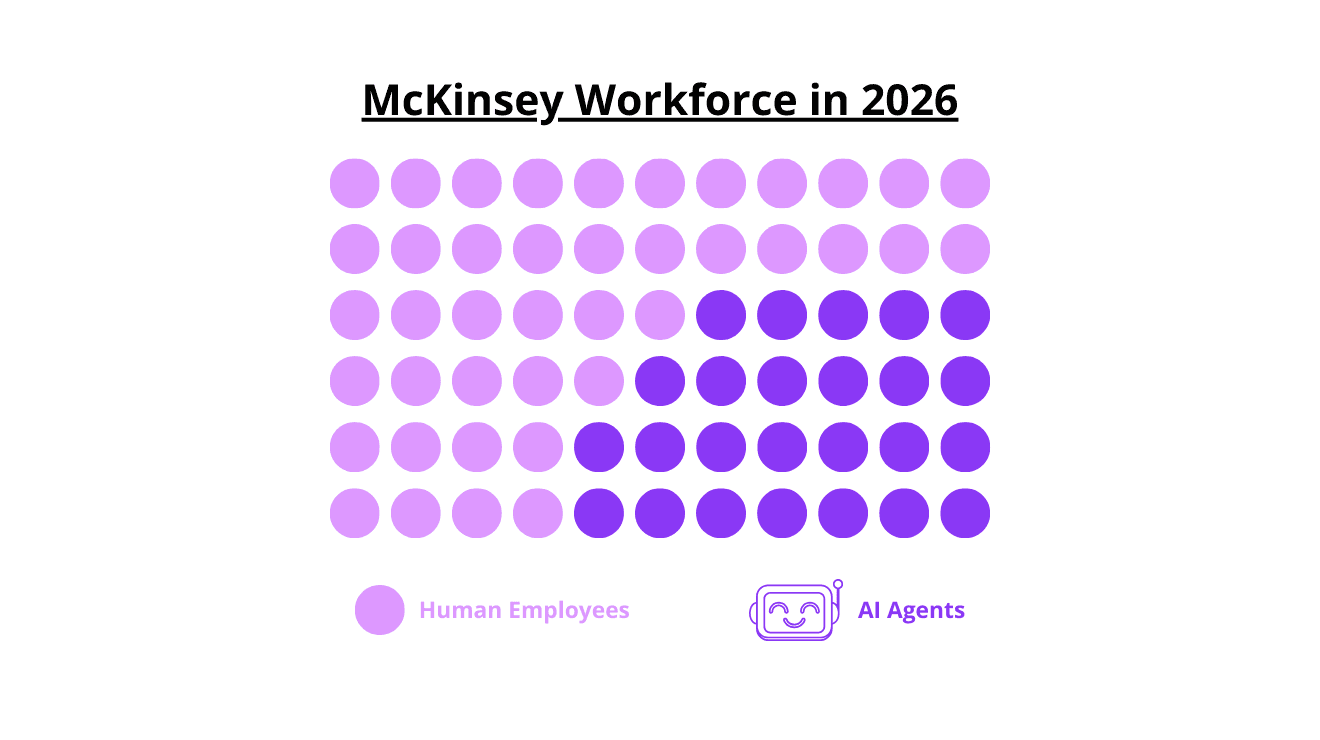
AI must become the new core of the company or organization. This is because the decisions affect the entire structure: the orchestration of new teams consisting of: employees, AI assistants, AI agents, AI workflows, and, in the near future, “agentic robotic colleagues” is crucial.
Companies must reform, understand AI as a central platform, and reorganize themselves around this new core of the company. Only in this way can the challenges of the future be mastered and the full potential of AI be fully exploited.
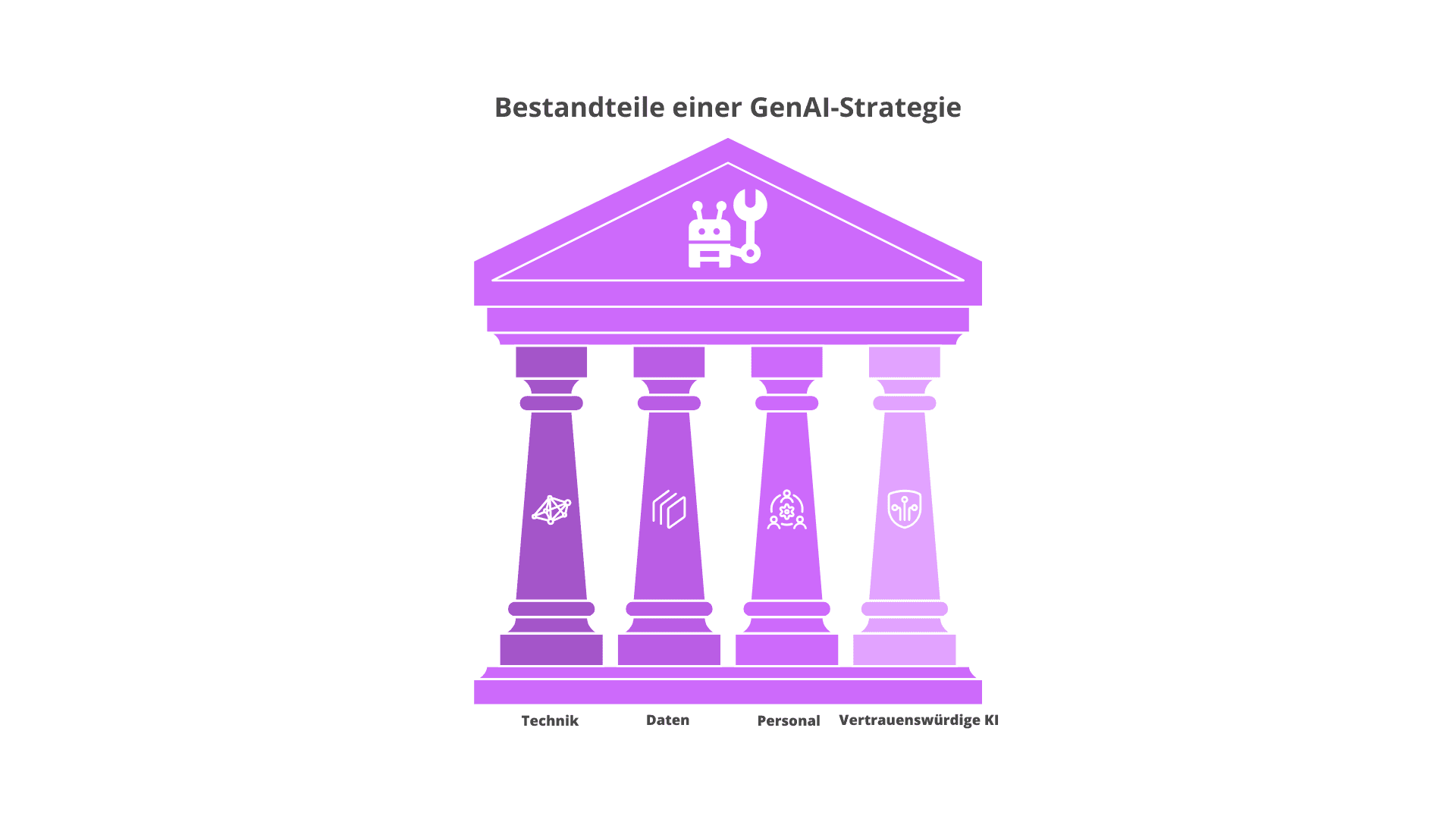
This is the way forward. To successfully shape this major AI transformation, clear strategic decisions are needed. First, executives must recognize the urgency: the competitive advantage of AI leaders will continue to grow. Second, centralized control is needed that integrates AI strategy, data use, ethics, and security. Third, training and continuing education must take place at all levels. The workforce must understand how to interact with AI systems and leverage their potential.
Fourth, agile structures must be created that seamlessly integrate both human employees and AI agents. Collaboration between human teams and autonomous AI units must function smoothly.
Finally, flexibility is crucial: the AI landscape is evolving rapidly. Companies must be prepared to continuously adapt their strategies and quickly integrate new technological developments.
In this way, AI will not only become a success factor, but also a key driver of future corporate development, enabling companies to successfully navigate the great AI transformation.